The topline. Silent brain damage is supposed to be a problem of old age. A study published in JAMA Network Open finds its early signs in healthy middle-aged adults, and the pattern tracks with what is on their plates. Among 8,783 Canadians aged 35 to 69 with no history of heart disease, the heaviest consumers of ultra-processed foods were 40 percent more likely to show MRI signs of small vessel brain damage than the lightest consumers, even though none of them had symptoms.
Key facts
The team, led by Russell de Souza of the Population Health Research Institute at McMaster University, drew on two national cohorts, the Canadian Alliance for Healthy Hearts and Minds and PURE-MIND. Each participant completed a diet questionnaire and underwent a brain MRI reviewed by neurologists blinded to diet. The scans looked for two markers of small vessel damage: silent brain infarcts, often called silent strokes, and white matter changes, bright spots signaling injury to the brain’s communication pathways. Neither produces symptoms, but both can appear years before a clinical stroke or memory problems.
Ultra-processed foods averaged about 25 percent of daily servings, rising to 45 percent for the heaviest consumers against 16 percent for the lightest. The heaviest consumers also carried more total body fat and more deep abdominal fat, the kind linked to inflammation and blood vessel damage. The association with brain damage was stronger among women: those in the highest intake group were nearly twice as likely to show signs of damage as those in the lowest.
As ultra-processed intake rose, whole food intake fell. Fruits, vegetables, grains, and other minimally processed foods made up 41 percent of daily servings among the heaviest consumers, against 68 percent among the lightest. As de Souza put it, these foods appeared to crowd out healthier whole foods rather than simply adding calories on top of a sound diet.
Clinical relevance
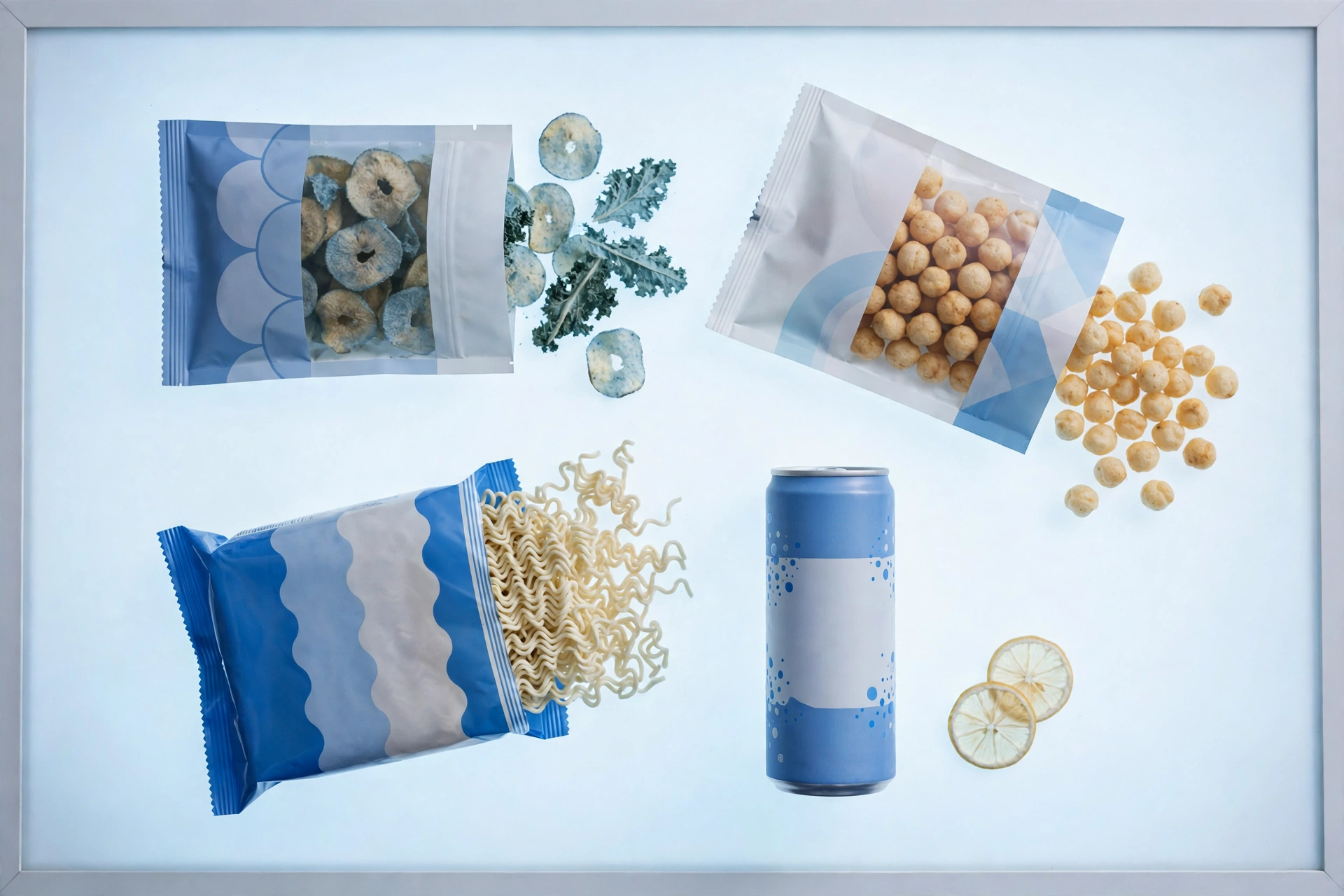
The finding reframes dietary counseling for patients in their 30s to 50s. The usual conversation waits for a diagnosis, high blood pressure, diabetes, a cardiac event, before food becomes urgent. Here the signal appears in people with no heart history at all, which makes the 30s to 60s window a prevention window. The practical question is not whether a patient eats perfectly but what share of the plate is ultra-processed: packaged snacks, sugary cereals, soft drinks, instant noodles, and ready to eat frozen meals. Reducing that share, rather than adding a virtuous food on top, is the intervention the data point to.
The honest limit is the design. Every measurement comes from a single visit, so the study cannot show which came first or prove causation. Senior author Sonia Anand’s framing is the right one: the diet and brain health link may be detectable before people notice memory or thinking problems, and longer term studies with repeated scans are underway to test whether cutting back slows these changes.
40%
That is how much higher the odds of hidden brain damage were for the heaviest consumers compared with the lightest. It is a relative number from a single snapshot, not a prediction for any individual, and the absolute risk for a healthy middle-aged adult remains low. Its value is as an early signal: small vessel damage accumulates quietly, and midlife diet is one lever a patient controls.
What we’re reading
- JAMA Network Open: the October 15, 2026 study of ultra-processed food intake and covert brain infarction.
- Population Health Research Institute: the McMaster announcement with author comments and cohort details.
- CAHHM and PURE-MIND: the two Canadian cohorts behind the MRI data.